Preschool is more than a place to spend the day. Here are the real advantages, explained simply for parents.
What Are the Benefits of Preschool?
The main benefits of preschool are social interaction, early learning, daily routines and growing independence. In a good preschool, children make friends, build language and early maths, learn to follow a predictable day and begin to do things for themselves. Together, these skills help them feel confident and ready for kindergarten and Grade 1.
Key Takeaways
- Preschool gives children a safe space to play with other children and learn to share, wait and cooperate.
- Language, early maths and thinking skills grow through play, stories and hands-on activities.
- A predictable routine helps children feel secure and makes the move to school easier.
- Everyday tasks build independence and confidence.
- The benefits depend on quality: warm teachers, play-based learning and a safe environment.
Why Is Preschool Important?
The first few years of life are a period of very fast brain development. Children learn from the people and places around them, and from the experiences they have every day. India’s Ministry of Education describes the early years as a foundation that shapes later learning, and national policy now places a clear focus on play-based learning for this stage. The National Curriculum Framework for the Foundational Stage is the first integrated curriculum framework in India for children aged 3 to 8. You can read the official announcement on the Ministry of Education website. education
A good preschool is not about pushing children to read or write early. It is about giving them rich experiences, caring adults and time to play, so learning feels natural.
What You Will Learn
By the end of this article you will know:
- the main benefits of preschool and how each one helps your child
- what children actually do and learn in a preschool day
- what long-term research says, and what it does not say
- how to tell whether a preschool will give your child these benefits
Benefit 1: Social Interaction and Friendship
Preschool is usually a child’s first regular time in a group of children outside the family. This is where they practise skills that are hard to learn at home with only adults.
Young children’s play changes with age. Toddlers often play alongside each other without sharing a goal. In preschool, they gradually move into playing together: building a block tower, acting out a story or running a pretend shop. While doing this, they learn to:
- take turns and share
- listen to others and wait
- understand that other children have different feelings and ideas
- solve small disagreements with words
Good teachers use these moments to teach. Instead of just telling children to stop, they help them name feelings and find their own solutions.
Benefit 2: Early Learning Through Play
Preschool learning looks like play because, at this age, play is how children learn. Government guidance agrees. NCERT’s Jaadui Pitara manual says children learn best through play, through activity and doing. You can read this in the NCERT Jaadui Pitara manual. ncert
In a good preschool, children build:
- Language: new words, listening, speaking in sentences and a love of stories. Daily conversation with teachers matters as much as story time.
- Early maths: counting, shapes, colours, sorting, patterns and ideas such as bigger and smaller, more and fewer. These are learned with real objects, not worksheets.
- Thinking and problem solving: puzzles, sorting games, building and “what comes next?” activities.
- Fine motor skills: drawing, pasting, threading beads and building, which prepare small hands for writing later.
- Gross motor skills: running, climbing, balancing and ball games.
A child who has met letters, sounds, numbers and shapes through play usually finds kindergarten far less intimidating.
Benefit 3: Routines That Help Children Feel Secure
Young children feel safest when they know what comes next. Preschools run on a gentle daily rhythm: arrival, circle time, activities, snacks, outdoor play, creative time and a quiet wind-down.
This predictable day helps in three ways:
- Security. Children feel calmer when the day is familiar.
- Self-control. Waiting for a turn, tidying up and moving from one activity to another are all practice for focusing and following rules.
- School readiness. Children who are used to routines and transitions usually settle more easily into kindergarten and Grade 1.
Benefit 4: Growing Independence and Confidence
Preschool gives children many small chances to do things themselves:
- washing hands and using the washroom
- putting on shoes and packing their bag
- tidying up toys
- choosing an activity and seeing it through
- eating snacks without help
Each task looks tiny, but together they build a strong sense of “I can do it”. That confidence carries into every new situation, including school.
Benefit 5: Emotional Skills
Preschoolers are still learning to manage big feelings. With patient teachers and friendly routines, children slowly learn to name how they feel, calm down with support, handle disappointment and ask for help. These skills matter just as much as letters and numbers, and they are one reason preschool can make school life smoother later.
What Does Long-Term Research Say?
Large studies over many years, including the well-known HighScope Perry Preschool Project in the United States, have linked high-quality early education to better school and life outcomes for children. Researchers have also found that:
- early gains in test scores can fade in the later primary years
- the benefits that last longer often come from social and behavioural skills, such as self-control and staying with a task
- the quality of the preschool, and of the school that follows, makes a big difference
In other words, preschool is not a magic switch, but a good one gives children a stronger start.
What Makes a Preschool Good?
The benefits above depend on the kind of preschool you choose. Look for:
- Warm, responsive teachers who talk with children, ask questions and listen.
- Play-based learning, not long periods of desk work or worksheets.
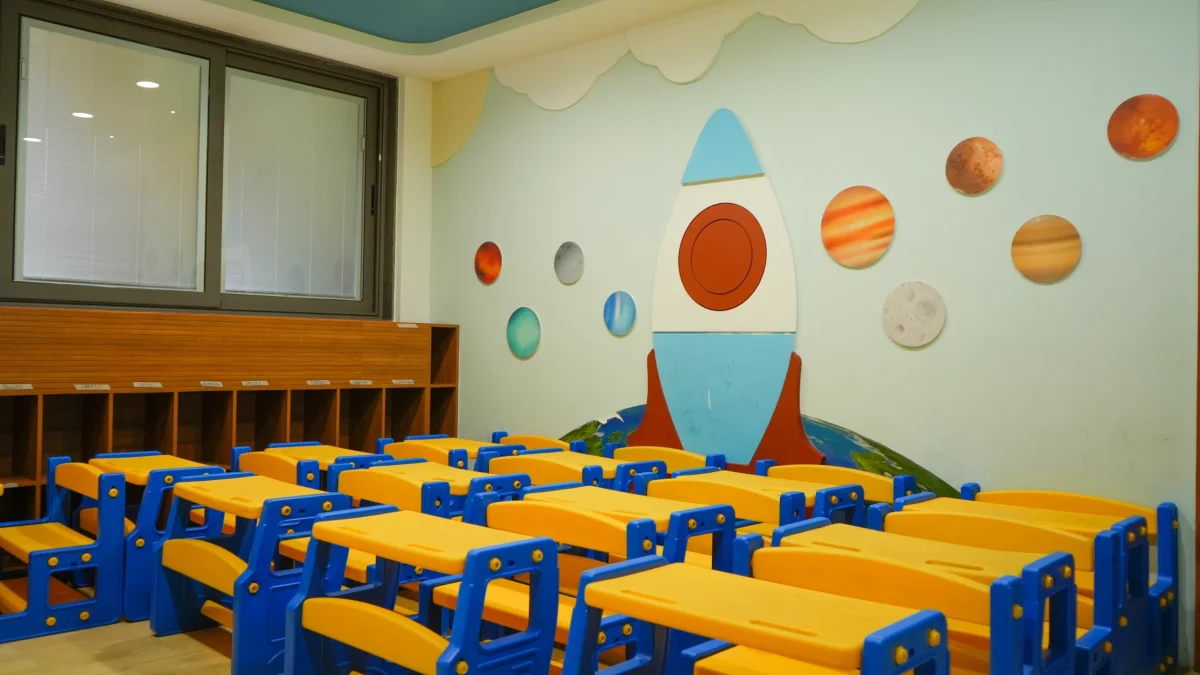
- A safe, clean environment with secure entry and supervised play.
- A clear daily routine that balances active and quiet time.
- Regular communication with parents about their child’s progress.
NCERT’s guidance also stresses a safe, stress-free and happy classroom, where children feel secure and loved.
How Discoveryland Supports These Benefits
At Discoveryland Preschool, learning begins with children’s curiosity. Teachers lovingly answer children’s questions, helping them explore their thoughts, ease their worries and build a strong foundation of knowledge. The approach blends India’s cultural heritage and core values with a modern, logical way of teaching.
Our early learning programs focus on:
- concentration and perception
- shapes, colours, numbers and quantities
- logical thinking, reasoning and problem solving
- fun with language learning
- fine and gross motor skills
- social and emotional development
- initiative and leadership
Children also learn through themes such as family, the neighbourhood, community helpers, fruits and vegetables, animals and birds, seasons, festivals, transport and our planets. To see how these come together, explore our preschool curriculum.
Beyond the classroom, the Activity Centre offers Art & Craft, Chess, Dance, Yoga, Ancient Games, STEM Activities, English, Music, Vedic Maths, Dramatics and Gymnastics, along with a Summer Camp. Each activity builds a different strength, from confidence and teamwork to focus and calculation.
How Much Does Preschool Cost?
Fees depend on the program, the hours and the facilities. For current Discoveryland fee details, contact your nearest branch. When comparing schools, ask what is included, such as activities, meals, uniform and annual charges.
Conclusion
The benefits of preschool are practical and lasting: friendships, early learning, routines, independence and emotional skills. They grow best in a warm, play-based environment where children feel safe and curious. When you choose a preschool, look past the building and focus on the teachers, the daily routine and how happy your child feels there.
Frequently Asked Questions
Why is preschool important?
Preschool gives children a safe space to build social skills, early language and maths, routines and independence, which prepares them for kindergarten and Grade 1.
What are the advantages of preschool for a 3-year-old?
At 3, children benefit most from playing with others, hearing lots of language, following simple routines and trying small tasks on their own.
Is preschool necessary before kindergarten?
It is not compulsory, but many children find the move to kindergarten smoother when they have already experienced a group, a routine and a classroom.
Does preschool make a child smarter?
Preschool supports thinking, language and problem solving, but it is not about making children “ahead”. Its biggest value is in confidence, social skills and a love of learning.
Will my child learn to read and write in preschool?
Good preschools introduce letters, sounds and pencil skills gently through play, without pressure to read or write early.
How do I know if the preschool is good for my child?
Visit in person. Watch how teachers speak with children, check safety and hygiene, ask about the daily routine and see whether the children look happy and engaged.
See the Benefits for Yourself
Visit your nearest Discoveryland branch, meet our team and see how children learn through curiosity and play. Call or email the branch closest to you.